
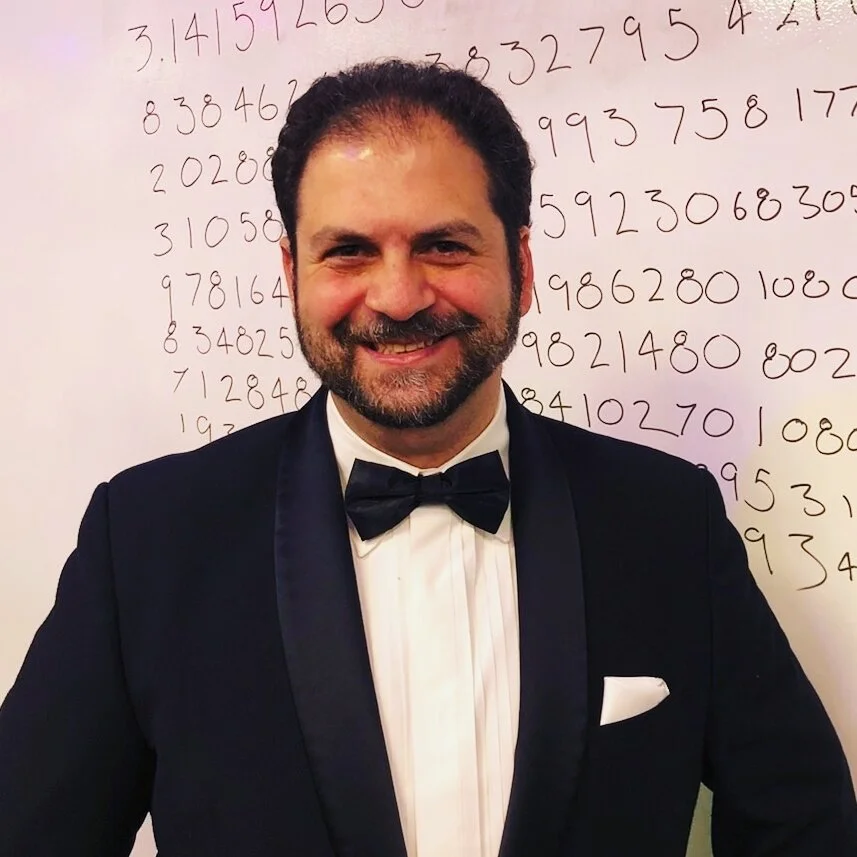
The 12 Steps That Transformed My Memory (and Helped Me Win Four Championships)
For a long time, I thought memory training was about techniques.
When I first discovered methods like the Memory Palace and linking, it felt like a breakthrough. I could remember things I never could before. Lists, names, numbers, sequences, suddenly they were manageable. That early improvement was exciting, and it gave me confidence that I could compete at a high level.
But improvement and consistency are not the same thing.
When I entered memory competitions, the margin for error was unforgiving. One digit out of place. One card flipped in the wrong order. One tiny slip was enough to cost you everything. I could memorise a lot, but under pressure, small mistakes kept appearing. For six years, I finished close but not first. Always capable. Never clean enough.
That gap forced a realisation.
Techniques alone were not the problem. How I was encoding information was.
When I adopted a structured set of principles, later formalised as SMASHIN SCOPE, everything changed. These were not new techniques, but rules that governed how techniques should be used. Once I trained with them deliberately, my recall stabilised. The next competition, I won. Then I won again. And again. Four championships followed.
These twelve principles are what turned memory from fragile to reliable.
Why Techniques Alone Are Not Enough
Most people learn memory techniques as tools.
They learn where to place information, but not how to make it stick. Without strong encoding principles, even good techniques produce shallow storage. Shallow storage collapses under pressure.
The SMASHIN SCOPE principles solve that problem. They transform information from something you try to remember into something your brain recognises instantly.
Senses: Turning Images Into Experiences
Memory strengthens as more senses are involved.
A visual image alone is thin. When touch, sound, smell, taste, and texture are layered in, the brain treats the information as an experience rather than a picture. Experiences are far harder to forget than images.
This is why sensory memories from childhood remain vivid decades later, even without rehearsal.
Movement: Why Static Images Fade
Still images blend together.
Movement creates attention. It turns a snapshot into a scene. When something jumps, spins, falls, or collides, the brain flags it as important. That movement becomes part of the recall trigger.
Motion transforms memory from passive to active.
Association: How Memory Creates Pathways
Memory works through connection.
When two things interact, a retrieval path is created. Weak associations fade quickly. Strong, unusual, or exaggerated associations create clear mental routes that are easy to follow during recall.
The stranger the connection, the stronger the path.
Self: Why Personal Involvement Multiplies Recall
Nothing is remembered as strongly as something that happens to you.
When you place yourself inside the image, emotion and sensation increase automatically. This personal involvement turns memory into lived experience. Lived experience is rarely forgotten.
The brain prioritises self-relevant information by default.
Humour: The Shortcut to Stickiness
Humour breaks patterns.
When something makes you laugh, it stands out. The emotional spike caused by humour enhances encoding and recall speed. The image does not need to be clever. It only needs to amuse you.
If it feels fun, it sticks.
Imagination: Escaping the Ordinary
Ordinary images blur together.
Imagination allows you to distort reality, exaggerate scale, and create impossibilities. Novelty captures attention. The brain remembers what does not fit expectations.
Imagination is not decoration. It is leverage.
Numbers: Why Quantity Creates Salience
Numbers create distinction.
They mark difference and order. When numbers are linked to meaning, dates, symbols, or people, they become anchors. This is why numbered items are often recalled first, even by untrained individuals.
Abstraction becomes memorable when meaning is attached.
Symbols: Compressing Complex Ideas
Symbols are memory shortcuts.
They allow complex ideas to be recalled instantly through a single image. This compression reduces cognitive load and speeds retrieval. The brain prefers symbols over explanations.
One symbol can unlock an entire concept.
Colour: Increasing Contrast and Clarity
Colour separates memory images from background noise.
When colour is exaggerated, unusual, or vivid, it enhances distinction. Contrast makes retrieval faster by preventing overlap between images.
Bland colour weakens recall. Bold colour sharpens it.
Order: Creating a Mental Path
Memory thrives on structure.
Order provides direction. When information follows a sequence or a journey, recall becomes automatic. This is why ordered systems like the Memory Palace are so effective.
Structure removes uncertainty during retrieval.
Positive Images: Sustainable Memory Encoding
Emotion strengthens memory, but positive emotion sustains it.
Negative images can be powerful, but overuse creates fatigue. Positive meaning keeps memory training enjoyable and repeatable. Long-term consistency depends on this balance.
What feels good is easier to revisit.
Exaggeration: The Final Amplifier
Exaggeration forces attention.
When something is larger, louder, brighter, heavier, or more absurd than reality, it becomes impossible to ignore. The brain remembers extremes far more reliably than realism.
If an image feels bland, it is not exaggerated enough.
How These Principles Work Together
Each principle strengthens encoding in a different way.
Used together, they transform memory from effortful recall into instant recognition. You do not need all twelve at once. Even two or three layered correctly can double recall reliability.
With practice, these principles become automatic. Techniques stop feeling mechanical and start feeling intuitive.
Why This Matters Beyond Competition
These principles are not for competitions only.
They apply to learning, professional performance, presentations, names, languages, and daily recall. Wherever reliability matters, encoding quality determines results.
Strong memory is not about remembering more. It is about remembering cleanly, consistently, and under pressure.
If your memory works sometimes but fails when it matters, the issue is rarely effort or intelligence. It is almost always how information is encoded.
If this framework resonates and you want to apply these principles deliberately to your own work, learning, or performance demands, you can get in touch with me to explore it further.